“16th Century” search results (400)

World Coffee History
In the sixth century, Ethiopian shepherds discovered red coffee fruits. In the eleventh century, Arab merchants spread coffee to Europe. In the 16th century, Franz Geora Kolschitzky, a Viennese, established the first coffee shop in Europe. He also started the trend of drinking coffee with milk. In 1554, coffee in Istanbul became black gold, and it was very popular with Ethiopian shepherds in the sixth century.
2016-07-29 World Coffee History sixth Century Yesso Biya Shepherd Discovery Red
The flavor and taste of Ugandan coffee with extremely light aroma introduction to the characteristics of boutique coffee in manor area
There was an emirate called Kitala in present-day western Uganda before the 13th century AD. In the 13th and 14th century, the nomadic Bachwezi conquered the country. From the end of the 15th century to the beginning of the 16th century, the Luo people who originally lived in southern Sudan went south to replace the rule of the Bachwezi, established the kingdom of Buniolo and established the Babito dynasty in Buganda. These foreign rulers were soon engaged in agriculture locally.
2016-08-23 Aroma extremely light Uganda coffee flavor taste manor producing area characteristics
Uganda coffee varieties producing area characteristics boutique coffee beans flavor estate introduction
There was an emirate called Kitara in western Uganda in the 13th century AD. In the thirteenth and fourteenth centuries, the country was conquered by the nomadic tribe of the Bachivezi. From the end of the 15th century to the beginning of the 16th century, the Luo people originally residing in southern Sudan moved south to replace the rule of the Bachiwezi people and established the Kingdom of Bunoro and the Babito Dynasty in Buganda. These foreign rulers were soon employed locally as farmers
2016-09-24 Uganda coffee variety region characteristics boutique coffee beans flavor estate medium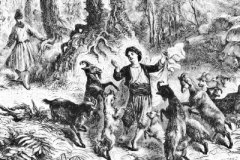
World & A brief introduction to the Development History of Coffee in China
Origin: coffee was first discovered in the kaffa region of southern Ethiopia in the 6th century AD. So far, there is no specific historical data about the origin of coffee, what has been handed down are several different legends, but it is more recognized that Cuddy, the shepherd, discovered the coffee. Legend has it that Kadi, a shepherd in Kafa province in southern Ethiopia, drives his sheep every day.
2014-09-02 Chinese Coffee Chinese Coffee History
History of Arabica beans Arabica bean varieties derived from Arabica beans
The origin of the historical Arabica species (Coffea arabica) is the Abyssini Arabica sub-plateau (Abyssinia, now known as the Ethiopian plateau) in Ethiopia. In the early days, it was mainly eaten as medicine (Islamic monks used as a secret medicine to cure the body and mind or to awaken the brain), developed the habit of baking and drinking in the 13th century, and passed through the Arab region in the 16th century.
2016-03-22 Rabbi Kadou History Source Variety Card species Coffea
The god of poetry, Lambo, abandoned the article to do coffee business in Egypt, boutique coffee beans, Ethiopian flavor.
Ethiopia is mainly a wild coffee forest, want to chew coffee fruit or drink coffee, go into the forest to pick, so there was no coffee cultivation in ancient Ethiopia. Yemen had a large-scale coffee cultivation industry and coffee trade with Europe as early as the 15th and 16th centuries, and Ethiopia did not have a record of coffee trade until the 19th century. In 1838, Ethiopia passed through the port of the Red Sea
2016-04-20 Poetry child prodigy Lambo Jiwen going to Egypt coffee business boutique coffee beans Ethiopia
The spread and Development of Coffee Culture (2)
The spread and Development of Coffee in Europe from the end of the 15th century to the beginning of the 16th century, coffee was already a popular drink in the Middle East, but it was also regarded as a medicine. European ambassadors and merchants in the Turkish Empire also believed that coffee was a healthy drink with special curative effects, and many positive comments helped to import coffee into Europe. Lovov, a famous German doctor and botanist, wrote as early as 1582.
2014-11-05 Coffee culture coffee culture history coffee communication coffee development
Burundian Coffee Flavor with Prunus Fruit Flavor introduction to boutique coffee beans in manor production area
Formerly known as Urundi, Burundi formed a feudal kingdom in the 16th century. Since the middle of the 19th century, the forces of Britain, Germany and Belgium invaded. The long-ruled monarchy, which was conquered by Germany in 1890, listed it as the territory of German East Africa and fell under the control of the Belgian army in 1916. After World War I, the League of Nations merged Rwanda-
2016-08-12 Plum fruit flavor Burundi coffee taste manor producing area characteristics boutique
Arabica Coffee Bean Coffee Manor introduction Arabica Coffee Manor
The origin of the Arabica species (Coffea arabica) is the Abyssini Arabica subplateau (Abyssinia, now known as the Ethiopian plateau) in Ethiopia. In the early days, it was mainly eaten as medicine (Islamic monks used as a secret medicine for physical and mental therapy or for awakening the brain), developed the habit of baking and drinking in the 13th century, and passed through Allah in the 16th century.
2016-07-11 Rabbi coffee beans coffee manor introduction rabbi card species Coffea a
What are the legends about the origin of coffee? which country started to produce coffee first?
According to what we have learned from textbooks today, at first the aborigines of the Ethiopian plateau of Africa tried to chew ground coffee beans to treat stomach problems. It was not until the 13th century that the aroma of roasted coffee beans gradually blew down from the vast African plateau, went on an expedition to Arabia, and quickly captivated people and became a typical drink in the Arab world. About coffee.
2016-05-31 Coffee origin legend all have which the country the earliest start production
World Coffee History Ethiopian Shepherds find Red Coffee fruits
In the sixth century, Ethiopian shepherds discovered red coffee fruits. In the eleventh century, Arab merchants spread coffee to Europe. In the 16th century, Franz Geora Kolschitzky, a Viennese, established the first coffee shop in Europe. He also started the trend of drinking coffee with milk. In 1554, coffee in Istanbul became black gold, and it was very popular with Ethiopian shepherds in the sixth century.
2015-09-16 World Coffee History Yesso Biya Shepherd Discovery Red Fruit VI
The history, production methods and taste of fancy coffee in Turkey in Asia
Turkish coffee was introduced into Turkey in the 16th century and began to be commercialized. Because of its geographical location across Europe and Asia, Turkey quickly spread coffee to the European continent. And because Turkish coffee can best retain the true taste, and handed down from generation to generation. Turkish coffee is a kind of coffee that uses the original brewing method, and many Turks, especially women, like to use the leftover Turkish coffee.
2016-03-10 Asian region fancy style coffee Turkey history production methods and taste soil
World Coffee History in the sixth Century Ethiopian shepherds discover red coffee fruits
In the sixth century, Ethiopian shepherds discovered red coffee fruits. In the eleventh century, Arab merchants spread coffee to Europe. In the 16th century, Franz Geora Kolschitzky, a Viennese, established the first coffee shop in Europe. He also started the trend of drinking coffee with milk. In 1554, coffee in Istanbul became black gold, and it was very popular with Ethiopian shepherds in the sixth century.
2015-01-26 World Coffee History sixth Century Yesso Bia Shepherd Discovery Red Fruit
Do you know the origin of coffee?
Around the sixth century AD, legend has it that Kaldi, a shepherd on the Ethiopian highlands of Africa, discovered on many occasions that his flock would involuntarily get excited and even make a crazy noise every time they ate the fruit of a wild shrub.
2014-06-12 Coffee culture coffee origins coffee encyclopedia
Mocha Coffee Yemen Coffee World Coffee Tour the country of Mocha-Yemen
The word Mocha, the country of the World Coffee Tour, Yemen, originated in Europe in the 16th and 17th century, because coffee imported from the Arab world was transported from the port of Mocha in Yemen, so at first people used mocha as a synonym for coffee. So until the invention of the mocha pot in the 20th century, people took it for granted that this kind of coffee-making utensils were called mocha pots. As for Esther,
2016-03-21 Mocha coffee Yemen world tour country mocha
The Cultural Enlightenment of Coffee
The 16th century Turkish law stipulated that if the husband could not meet his wife's need for coffee, the woman could use it as an excuse for divorce. Cafe culture merges with enlightenment and rationalism, giving the cafe a reputation as a penny university and a democracy club. When drinking coffee has become a common hobby of the common people and aristocrats, their concept of hierarchy has really entered the time of disintegration.
2014-08-01 Coffee culture enlightenment Turkey 16th century law regulation husband if
Where was coffee first discovered? where did coffee come from?
Our story now takes us to the early 16th century, when there were so many coffee providers in Mecca that a government official ordered cuts. Unfortunately, Satan in Cairo was used to drinking coffee. He not only repealed the decree, but also removed the position of propagandist. In the 17th century, English women wrote a written petition against coffee because their husbands ignored her.
2016-06-05 Coffee the earliest which country found originated where
The Journey of Fine Culture in Greece: a talk about Greek Cafe
Coffee was born in Africa in the 13th century, was exclusively enjoyed by Arabs for three centuries and spread to Europe in the 16th century. The habit of drinking coffee has been popular in Europe and the United States for centuries, and coffee culture has gradually developed. There are very different coffee cultures in the world: the romance of France, the elegance of Austria, the enthusiasm of Italy, the quickness of the United States. Every coffee culture is a microcosm of a social state.
2015-09-07 Greece boutique culture travel gossip coffee shop coffee thirteenth century born in
The nutritional composition of Coffee the grade planning of coffee
First, the story of the shepherd legend around the tenth century AD, on the Ethiopian plateau of Africa, there was a shepherd Karl. One day he saw the goats suddenly looking very excited and excited. He thought it was strange, and then after careful observation, he found that the sheep were excited after eating some kind of red fruit. Carl tasted some curiously and found that he also felt after eating it.
2016-05-24 Coffee nutrition ingredients grades planning
Introduction to the fresh and bright Ethiopian Sidamoso Coffee Flavor Manor
Ethiopia is an ancient country with a history of 3000 years of civilization. The Hamite people who immigrated from the southern Arabian Peninsula were the earliest inhabitants. Monlinique I reigned in 975 BC. The Kingdom of Nubia was established in the 8th century BC. Around AD, the Ethiopian Empire, also known as the Aksum Kingdom, was established in Aksum in the north. Establishment of the Kingdom of Abyssinia in the 13th Century and Portugal in the 16th Century
2016-09-07 Taste Xinming bright Ethiopia Dharma Shakiso coffee flavor manor